Introduction
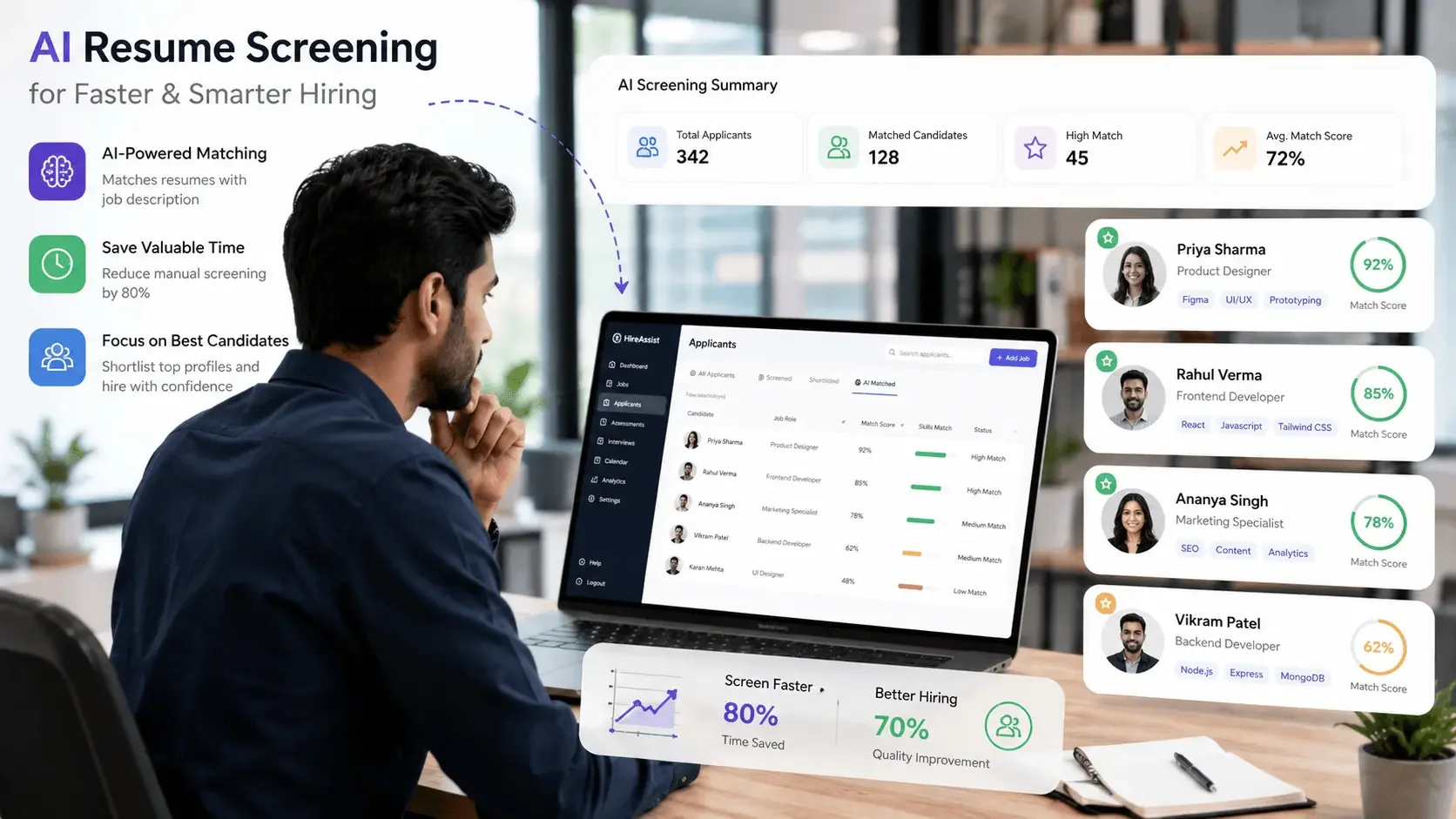
Finding the right candidate starts with reviewing applications effectively. When recruiters receive hundreds of resumes for a single position, manually reviewing every application can take considerable time and effort.
Resume screening helps hiring teams identify candidates whose qualifications, experience, and skills align with the job requirements. A structured screening process can make recruitment more organized, consistent, and efficient.
1. Define the Job Requirements Clearly
Before reviewing resumes, recruiters should understand what the role requires.
Create a list of essential qualifications, relevant skills, expected experience, certifications, and job responsibilities. Separate mandatory requirements from preferred qualifications so that candidates are evaluated against clear criteria.
For example, a software testing position may require knowledge of manual testing, test case creation, bug reporting, and basic API testing.
2. Look Beyond Job Titles
Job titles can vary between organizations. A candidate may have relevant experience even if their previous job title does not exactly match the advertised position.
Recruiters should review responsibilities, project experience, achievements, and transferable skills instead of relying only on job titles.
This approach can help identify qualified candidates who might otherwise be overlooked.
3. Use Consistent Screening Criteria
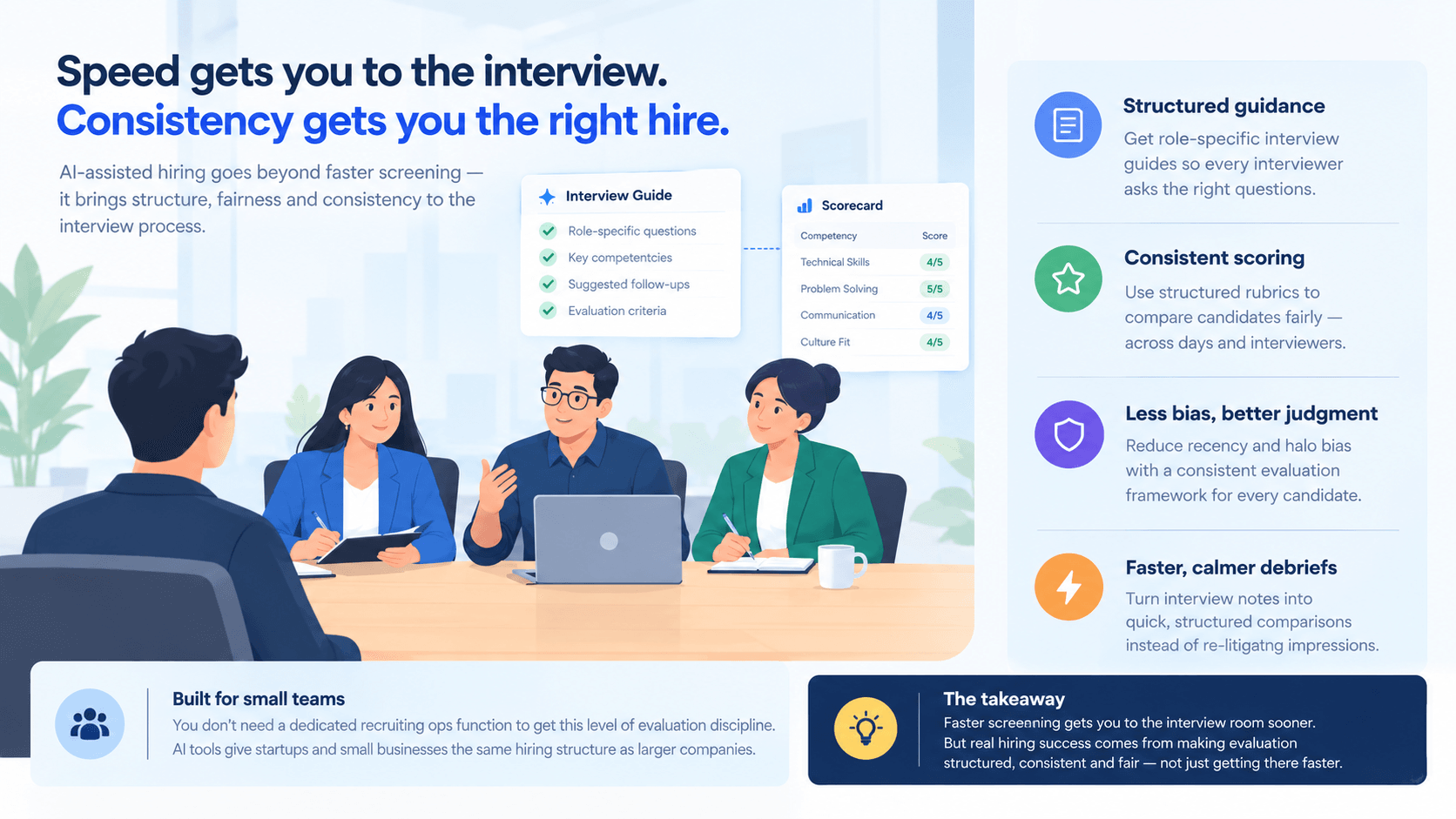
A consistent evaluation framework helps recruiters compare applicants more fairly.
Consider evaluating candidates based on:
- Relevant technical and professional skills.
- Experience related to the role.
- Educational or certification requirements, where applicable.
- Relevant projects and measurable achievements.
- Alignment with the essential job responsibilities.
Use the same job-related criteria for all applicants and avoid assumptions based on personal characteristics unrelated to the role.
4. Use Recruitment Technology Effectively
Recruitment platforms can help teams organize applications, manage candidate information, and track progress throughout the hiring process.
Depending on the platform's available features, recruiters may also use structured assessments, resume matching, and automated workflow tools to support screening decisions.
Technology should assist recruiters rather than replace careful evaluation. Automated recommendations should be reviewed for accuracy and potential bias.
5. Avoid Common Resume Screening Mistakes
Some common mistakes can cause recruiters to overlook suitable candidates or advance applicants who do not meet essential requirements.
Relying only on keywords: Relevant skills may be described in different ways across resumes.
Using unclear criteria: Inconsistent screening makes candidate comparisons less reliable.
Ignoring project experience: Projects can demonstrate practical skills, particularly for entry-level applicants.
Rejecting candidates too quickly: A resume may not communicate every relevant skill clearly.
Overlooking fairness: Screening criteria should focus on job-related qualifications and be applied consistently.
6. Connect Screening With Candidate Assessment
Resume screening is only one part of the hiring process. After identifying potentially suitable candidates, recruiters may conduct interviews, technical assessments, or role-specific tests.
For example, a candidate applying for a software development position might complete a coding assessment, while a quality assurance candidate might be evaluated on test case design and defect identification.
The assessment method should match the responsibilities of the position.
7. Track Screening Results
Recruiters can improve their process by tracking useful recruitment metrics, such as:
- Number of applications received.
- Number of candidates meeting essential requirements.
- Time taken to complete initial screening.
- Number of candidates progressing to interviews.
- Reasons for rejecting applications.
These metrics can reveal bottlenecks and help hiring teams improve their screening criteria over time.
8. Keep Candidates Informed
A professional recruitment experience includes clear communication with applicants.
Provide information about the hiring process, communicate next steps when possible, and update candidates when decisions are made. Clear communication helps set expectations and creates a better candidate experience.
Conclusion
Effective resume screening requires clear job requirements, consistent evaluation criteria, thoughtful use of recruitment technology, and fair decision-making.
By organizing the screening process and connecting it with relevant candidate assessments, hiring teams can make better-informed decisions and manage recruitment more efficiently.